
Marsa El Brega

Port Description

Location: Marsa el Brega is situated in the S of the Gulf of Sidra.

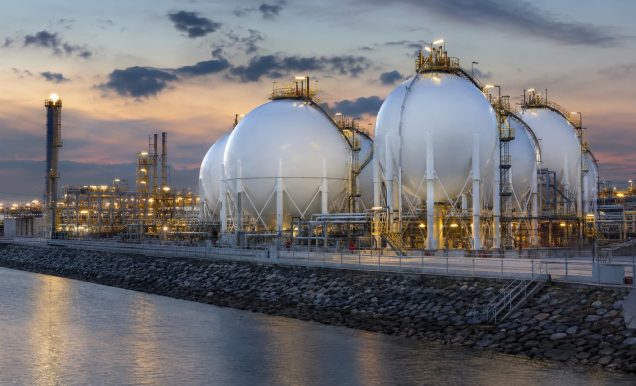
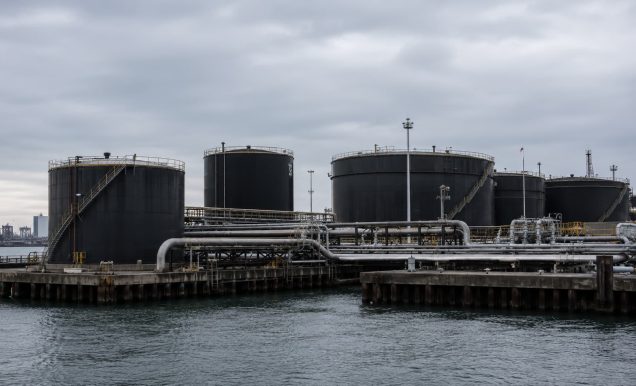
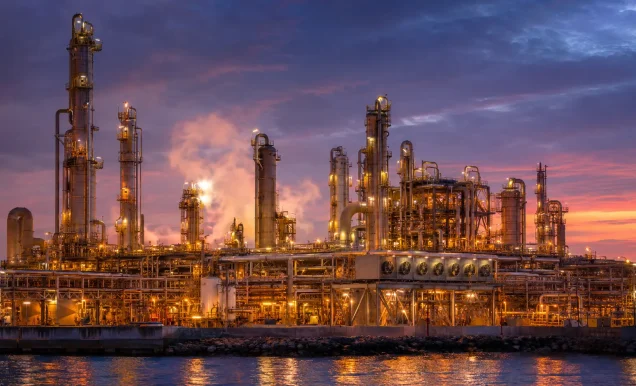
General overview: The port is primarily an offshore oil terminal. There are alongside berths for other traffic.

Traffic figures: Approximately 300 vessels visit the port annually.

Load Line zone: Summer.

Max size: LOA 355m, 305,000dwt, 56m beam and 22.25m draft.

Sealines: Max 300,000DWT; draught and LOA unrestricte

Pre Arrival Information

ETA’s: Vessels should send their ETA to Sirte Oil Co the Port Authority, 72, 48 and 24 hours prior to arrival. Communications: VHF: Ch 16; 06, 09, 12, 13. Throughout 24 hours. No radio telephony or wireless telegraphy allowed in Libyan territorial waters.

Navigation

Sea buoys, fairways and channels: Marsa el Brega lies between Khashm Aritu, 30°26’N 019°38’E, and another point 3nm SW, in an open bay situated in the SE corner of the Gulf of Sirte, about 100nm SSW of Banghazi.

Approach and Entry: The port is approached through the Approach Reporting Point and the harbour is entered on the alignment of leading lights. For details of Approach Reporting Points see General Marine Information.

Pilot: Compulsory. Pilot usually boards near the Brega Buoy (30°27.6N 019°35.1E).

Anchorages: The designated anchorage is a 3nm diameter circle, as shown on the chart, about 6.5nm N from the harbour entrance; depths are from 20m to more than 70m. Ships may anchor only in the anchorage areas shown on the charts. All vessels must anchor as instructed by the Port Authority, and must not shift berth except on the instruction of the Port Authority.

Tidal range and flow: Range 0.5m.

Dock density: 1025.

Weather: Prevailing

Winds: N’ly.

Principal navigation aids: Landmarks: Positioned from the radar tower (30°25.0 N 019°34.9 E). Radar tower (elevation 36nm, red light). Water tank (red) (0.6nm SW). A ruined fort stands close NW. Radio mast (red lights) (0.7nm S). Four flare towers (red lights) (1nm SE). The flares, when burning, can be seen from a great distance. Major lights: Marsa al Burayqah West Breakwater Light (black structure) (30°25.1 N 19°35.4 E). Marsa al Burayqah East Breakwater Light (30°25.0 N 019°35.7 E) (Charts: BA 3350, 3354. Admiralty Pilot NP49, NP286(3

Restrictions: Before the vessel’s first visit to the terminal, Sirte Oil Company, Libya must be informed of the followingName and flag of the vessel Principal dimensions Tonnage and types of cargo abroad Number and size of port side connections and distance from the bow SWL of derricks Number of shackles of cable

Tugs: There are 2 tugs, 2,400hp each available

Berths & Caro

Names/Nos: General cargo/Bulk berths: W side: Dry cargo berth, length 150m; draught 7.9m.

E side: Urea jetty, length 200m; draught 8.8m.

Cargo jetty: Length 200m; draught 9.2m; max 15,000DWT.

Ro-Ro berths: Ro-Ro vessels berth alongside the jetty, or stern on to the dry cargo jetty.

Tanker berths: There are 3 sealine berths, a product tanker quay, a liquefied gas quay, an acid quay and 2 jetties for ammonia and methanol.. Sea-line berths

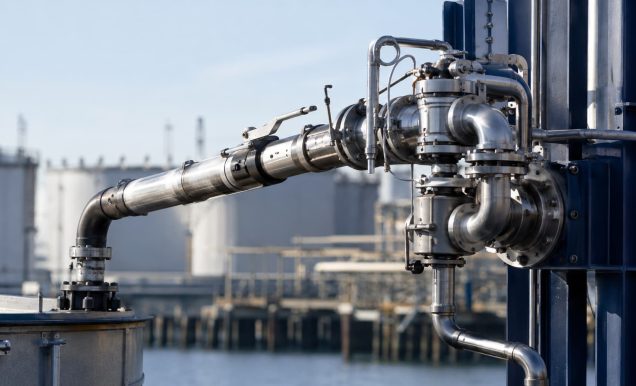
Berth No 2: CBM for vessels up to max LOA 243m, 55,000DWT; draught 12.8m. Vessels anchor heading NNW using both anchors, the stern being secured to 5 mooring buoys in 13.4m of water. 1 x 12in hose loading Naphtha at rate 3,300tph.

Berth No 5: SPM for vessels up to 300,000DWT, draught unrestricted. Vessels moor at the bow in 40m of water. Loading Crude Oil is via 16in hose, loading rate of 7,600tph.

Berth No 6: SBM for vessels up to 300,000DWT, draught unrestricted. Vessels moor to the bow in 40m of water. Loading Crude Oil is via 16in hose, loading rate 7,600tph.

Gas Quay Docks A and B: Length 320m, max LOA 220m, max draft 10.0m. Used for LPG and LNG carriers. South Acid Quay: A small berth is available for handling sulphuric acid.

West Side : Jetties 1 and 2: Length 334m, max LOA 175m, depth 13.7m, max draught 10.5m, 30,000DWT. Used for loading methanol and ammonia, and discharging acids and caustics.

General

Medical facilities: Limited medical facilities are available.

Transport: Nearest

Airport: Private airfield (5km)

Working hours: Throughout 24 hours.